

Latest News
Understanding the Function of Rotary Isolator Switches
Jan
Understanding the Function of Rotary Isolator Switches
What is a Rotary Isolator Switch?
A rotary isolator switch is an electrical device designed to isolate a portion of a circuit from the power source. This functionality is crucial for maintenance, repair, and safety procedures. By rotating the switch, users can disconnect electrical equipment or circuits, thus preventing electrical currents from flowing and ensuring that safe conditions are maintained for any work that needs to be carried out.
Key Components and Design
At its core, a rotary isolator switch comprises several essential components, including:
- Contacts: These are conductive elements that open or close the electrical circuit. They are made from materials that ensure durability and reliability over repeated operations.
- Actuator: Typically a knob or lever that facilitates the rotation of the switch. The actuator is ergonomically designed to provide ease of use while offering a firm grip to prevent accidental operation.
* Housing: Provides insulation and protection to the internal components. The housing is often constructed from robust materials to withstand environmental stressors and mechanical impacts.
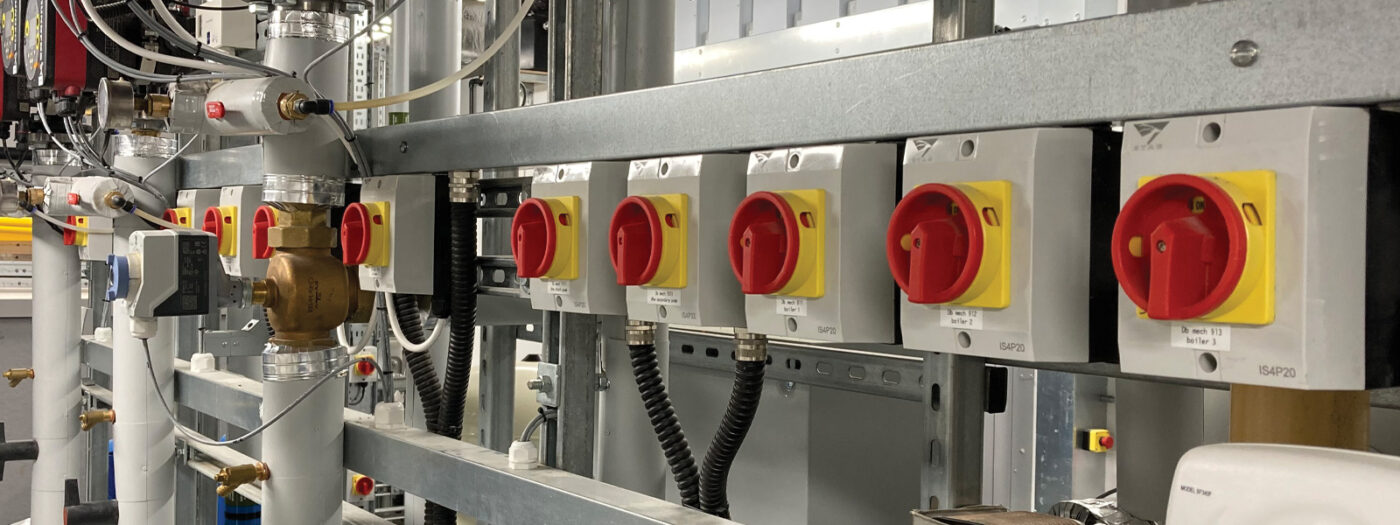
The design of a rotary switch is such that it provides a clear visual indication of its status—whether it is in the ‘on’ or ‘off’ position—ensuring that users can easily ascertain its operation. This is achieved through colour-coded indicators or position markers that are visible even from a distance.
Operational Mechanism
The operational mechanism of a rotary isolator switch involves a simple yet effective process. When the actuator is turned, it moves the contacts inside the switch, either connecting or disconnecting the circuit.
This straightforward mechanism ensures that the switch can be operated quickly and efficiently, which is particularly important in emergency situations.
Visual Indicators and Status
Visual indicators play a crucial role in the functionality of rotary isolator switches. These indicators ensure that the current status of the switch is visible and easily interpreted by users. Typically, a red or green colour scheme is used, where red indicates the ‘off’ position (disconnected) and green indicates the ‘on’ position (connected), providing a universal language of safety and operation.
Importance of Electrical Isolation
Electrical isolation is a fundamental safety measure in various electrical systems. By disconnecting a circuit from its power source, rotary isolator switches prevent accidental energising of equipment, which could lead to electrical shocks, equipment damage, or even fires.
Understanding the necessity of this isolation is paramount, especially in industrial settings where complex machinery and high voltages are prevalent.
Safety Enhancements
- Preventing Unauthorised Access: The switch can be locked in the ‘off’ position to prevent accidental or unauthorised reconnection. This feature is particularly useful in industrial settings where multiple operators may be present.
- Ensuring Clear Indication: The rotary action and visual indicators provide clear confirmation of the switch’s status. This minimises the risk of human error and ensures that all personnel are aware of the system’s current state.
- Facilitating Maintenance: By isolating electrical circuits, maintenance personnel can work on the system without the risk of electrical hazards. This isolation is critical for the safety of workers and the longevity of the equipment.
Mitigating Risks
The use of rotary isolator switches significantly mitigates risks associated with electrical systems. By ensuring that circuits can be securely isolated, these switches reduce the likelihood of electrical accidents and equipment failures. This risk mitigation is especially important in environments where large-scale machinery or sensitive equipment is utilised.
Compliance with Safety Standards
Rotary isolator switches are designed to comply with stringent safety standards. These standards ensure that the switches provide reliable operation and protection in all scenarios. Compliance with these standards is essential for any organisation to ensure the safety of its personnel and equipment.
Applications of Rotary Isolator Switches
Rotary isolator switches find applications in a wide array of settings due to their versatility and reliability. Some of the primary applications include:
Industrial Machinery
In industrial environments, rotary isolator switches are used extensively to control large machinery and equipment. They provide a safe means to disconnect machinery for maintenance or in emergency situations, ensuring that all operations can be conducted safely.
- Safety in Industrial Environments: The presence of rotary isolator switches in industrial environments enhances safety by allowing quick disconnection of power in case of an emergency, preventing potential accidents.
(Note: No changes were necessary as the text provided does not contain any American English specific vocabulary, spelling, or expressions that need adjusting to British English.)
* Maintenance and Repairs: These switches facilitate easy maintenance and repairs, as they can securely isolate machinery from the power supply, allowing technicians to work safely.
* Operational Efficiency: By providing a reliable means of controlling power supply, rotary isolator switches contribute to the overall operational efficiency of industrial processes.
Power Distribution
In power distribution systems, rotary switches are employed to manage the flow of electricity to various sections of a network. Their ability to isolate sections of the network helps in managing repairs and preventing overloads.
- Load Management: Rotary isolator switches enable effective load management by allowing specific sections of the power grid to be isolated and managed independently.
- Network Stability: By providing the means to isolate faults, these switches help maintain network stability and prevent widespread outages.
* Facilitating Upgrades: During network upgrades or expansions, rotary isolator switches allow for the safe isolation of sections, minimising disruption to the overall system.
Residential and Commercial Buildings
Rotary isolators are also used in residential and commercial buildings to control HVAC systems, lighting, and other essential electrical services. Their simplicity and effectiveness make them an ideal choice for ensuring safety and operational efficiency in building systems.
- Energy Management: In commercial settings, rotary isolator switches play a crucial role in energy management, allowing for the strategic control of power to different systems.
- Enhanced Safety: By providing a simple means of disconnecting power, these switches enhance safety in residential and commercial environments, protecting occupants from electrical hazards.
* Versatile Applications: From controlling lighting circuits to HVAC systems, the versatility of rotary isolator switches makes them suitable for a wide range of applications in building infrastructures.
Types of Rotary Isolator Switches
Rotary isolator switches come in various types, each designed to meet specific requirements:
Single-Pole and Multi-Pole Switches
- Single-Pole Switches: Used for simple on/off control of a single circuit. They are ideal for applications where only one circuit needs to be controlled.
- Multi-Pole Switches: Capable of controlling multiple circuits simultaneously, often used in complex industrial systems. These switches are essential in scenarios where multiple power lines need to be managed collectively.
Enclosed and Open Types
- Enclosed Rotary Switches: Provide added protection against environmental factors such as dust and moisture.
They are suitable for outdoor or harsh environments where additional protection is required.
* Open Rotary Switches: Typically used in controlled environments where such protection is not necessary. These switches are easier to access and maintain in environments where they are protected from external elements.
Specialised Switches
Some rotary isolator switches are designed for specialised applications, offering features such as explosion-proof designs for hazardous environments or compact designs for space-constrained installations. These specialised switches cater to niche requirements, ensuring safety and functionality in unique scenarios.
Selecting the Right Rotary Isolator Switch
Voltage and Current Ratings
Ensure that the switch can handle the voltage and current requirements of the application. Overloading a switch can lead to failure and pose significant safety risks.
- Matching Specifications: It’s crucial to match the switch specifications with the system requirements to ensure seamless operation and safety.
- Avoiding Overloads: Selecting a switch with appropriate ratings prevents overloads, protecting both the switch and the connected equipment.
- Future-Proofing: Consider potential future expansions or changes to the system that might affect the current and voltage requirements.
Environmental Conditions
Consider the environmental conditions where the switch will be used. For harsh environments, an enclosed switch with added protection is advisable.
- Temperature and Humidity: Assess the temperature and humidity levels of the installation site, choosing a switch that can withstand these conditions.
- Dust and Moisture: In environments prone to dust or moisture, an enclosed switch is essential to prevent ingress and ensure longevity.
* Exposure to Chemicals: In industrial settings where chemicals are present, ensure that the switch materials are resistant to chemical exposure.
Compliance with Standards
Ensure that the rotary isolator switch complies with relevant safety and industry standards, such as IEC, to guarantee reliability and safety.
- Adherence to Regulations: Compliance with standards ensures that the switch meets all regulatory requirements, providing peace of mind and legal compliance.
- Quality Assurance: Standards compliance is often a marker of quality, ensuring that the switch has been rigorously tested and verified for safety.
- Global Compatibility: For international applications, ensure that the switch complies with global standards to facilitate seamless integration across different regions.
Installation and Maintenance
Proper installation and maintenance are crucial for the optimal performance of rotary isolator switches.
Installation Guidelines
- Positioning: Install the switch in a location that is easily accessible for operation and maintenance. Accessibility ensures that the switch can be quickly operated in case of an emergency.
- Wiring: Follow the manufacturer’s guidelines for wiring to prevent electrical faults. Proper wiring is essential to ensure the switch functions correctly and safely.
- Testing: Conduct thorough testing post-installation to ensure proper functionality. Testing confirms that the switch operates as intended and provides reliable isolation.
Maintenance Tips
- Regular Inspections: Periodically check for signs of wear or damage. Regular inspections help identify potential issues before they lead to failures.
* Cleaning: Keep the switch and its surroundings clean to prevent dust accumulation. Dust can impair the function of the switch and lead to operational issues.
* Functionality Tests: Regularly test the switch to ensure it operates smoothly and provides reliable isolation. Functionality tests ensure that the switch remains in good working condition and is ready for use when needed.
Conclusion
Rotary isolator switches are indispensable components in electrical systems, providing a reliable means of disconnecting circuits for maintenance and safety. Their robust design, versatility, and ease of use make them a preferred choice across various industries and applications. By understanding their function, applications, and the importance of proper installation and maintenance, users can ensure the safety and efficiency of their electrical systems. As technology continues to evolve, rotary isolator switches will remain a critical element in safeguarding electrical infrastructure.
Their continued relevance and adaptation to new standards and technologies underscore their importance in modern electrical systems.